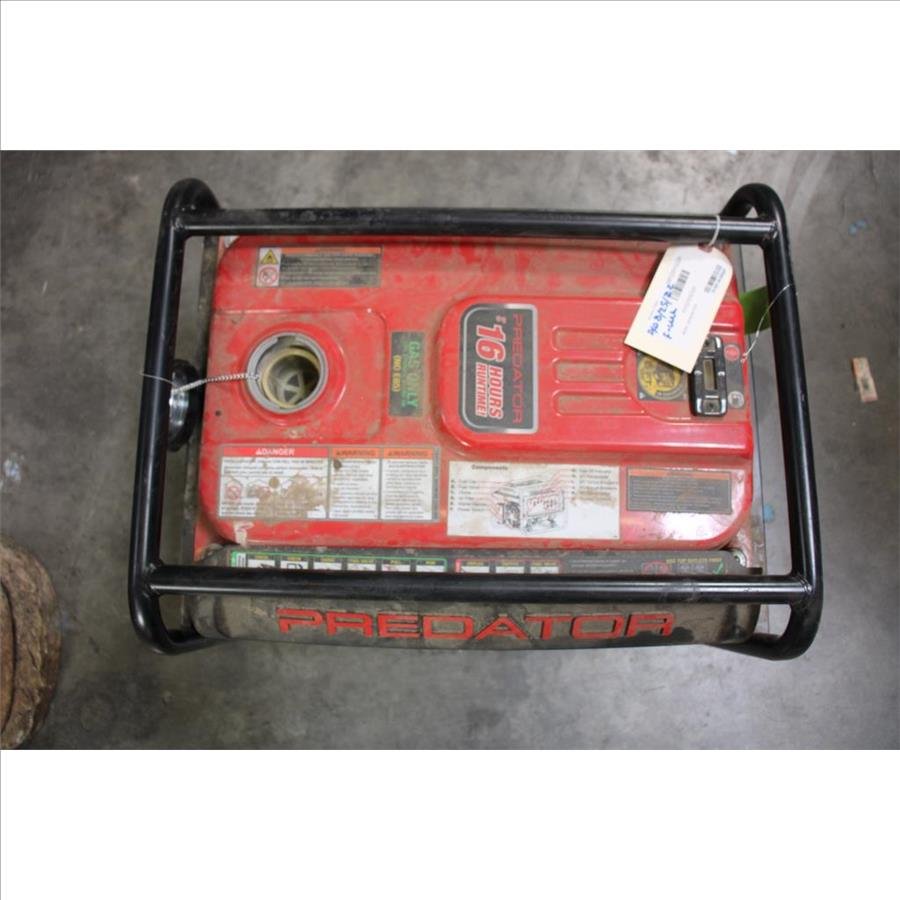
Harnessing portable power can be a game-changer during outages, at job sites, or for recreational use. When you own a robust machine like the Predator 4375 generator, understanding its capabilities is just half the battle. The other, more critical half, is mastering Predator 4375 Generator Safety Tips & Best Practices to ensure every kilowatt comes with peace of mind. Without proper precautions, the very tool designed to provide convenience can become a source of significant danger.
This comprehensive guide is your essential manual for operating your Predator 4375 generator safely, efficiently, and responsibly. We'll delve into everything from pre-operation checks to long-term storage, making sure you're equipped with the knowledge to protect yourself, your family, and your property.
At a Glance: Essential Predator 4375 Safety Takeaways
- Always Outdoor Use Only: Never operate your generator inside a home, garage, shed, or any enclosed space, even with doors or windows open.
- Carbon Monoxide Is a Silent Killer: Even with CO SECURE® technology, operate at least 20 feet from windows, doors, and vents. Position the exhaust away from occupied areas.
- Ground Your Generator: Proper grounding protects against electrical shock.
- Refuel Safely: Shut off the engine and allow it to cool for several minutes before adding fuel. Use fresh, regular unleaded gasoline.
- Inspect Before Use: Check oil levels, fuel lines, and look for any damage or leaks.
- Use Appropriate Extension Cords: Ensure cords are rated for outdoor use, heavy-duty, and have the correct gauge for the load.
- Never Overload: Understand your generator's wattage limits (3,500 running watts) and avoid exceeding them.
- Regular Maintenance: Follow the maintenance schedule for oil changes, air filter cleaning, and spark plug checks to ensure reliable and safe operation.
- Stay Dry: Never operate a generator in wet conditions. Protect it from rain and snow with an open-sided cover.
- Read the Manual: Always consult your Predator 4375 owner’s manual for specific instructions and warnings.
The Power and The Peril: Why Predator 4375 Safety Is Non-Negotiable
Your Predator 4375 is a powerful piece of equipment, delivering 3,500 continuous running watts from its 212cc, 7 HP engine. It’s designed for reliability, featuring CO SECURE® technology for automatic shutdown when harmful carbon monoxide levels are detected, and a low-oil indicator/shutdown system. While these features add layers of protection, they are supplements, not replacements, for vigilant human oversight.
The primary hazards associated with gas-powered generators are carbon monoxide (CO) poisoning, electrical shock, fire, and burns. Understanding these risks and implementing preventative measures is paramount. The Predator 4375's robust design and portability (thanks to its wheel kit and fold-down handle) make it an excellent choice for various needs, but its power demands respect. For a deeper dive into its capabilities, Explore the Predator 4375 generator and its specifications.
Your First Line of Defense: Setting Up for Success
Before you even think about pulling that recoil starter, proper setup is crucial. This isn't just about getting power; it's about establishing a safe operating environment.
Choosing the Right Spot: A Breath of Fresh Air
The single most important safety rule for any portable generator is never operate it indoors or in partially enclosed spaces. This includes garages, sheds, carports, basements, or even near open windows, doors, or vents that could allow exhaust fumes to seep into your home.
Best Practice:
- Minimum 20 Feet Away: Position your Predator 4375 at least 20 feet (6 meters) from your home or any other occupied building.
- Clearance All Around: Ensure at least 5 feet (1.5 meters) of clearance on all sides of the generator. This allows for proper ventilation and prevents heat buildup.
- Exhaust Direction: Always point the exhaust away from your home and any potential air intakes.
- Stable, Level Surface: Place the generator on a flat, stable surface where it won't tip over. The Predator 4375 weighs around 104 pounds, so stability is key.
- Shelter, Not Enclosure: If rain or snow is expected, protect your generator with an open-sided canopy or a purpose-built generator cover. Never use a tarp or enclosure that restricts airflow, as this can lead to CO buildup and overheating.
Fueling Finesse: Powering Up Safely
Your Predator 4375 runs on regular unleaded gasoline (minimum 87 octane) and has a 4-gallon fuel tank. Fueling seems simple, but it's where many accidents occur.
Best Practice:
- Engine Off, Cool Down: ALWAYS shut off the generator and allow it to cool for at least 15-20 minutes before refueling. Gasoline poured onto hot engine parts can ignite instantly.
- Outdoor Fueling: Only refuel outdoors, in a well-ventilated area, away from sparks, flames, or pilot lights.
- Proper Storage: Store gasoline in approved, clearly labeled containers, away from living areas and direct sunlight. Never store fuel near the generator or inside your home.
- Avoid Overfilling: Fill the tank to the recommended level, leaving a small air gap to allow for fuel expansion.
- Wipe Spills Immediately: Clean up any spilled fuel completely before starting the generator. If fuel spills on your clothing, change immediately.
The Earth Connection: Grounding Your Generator
The Predator 4375 includes a grounding terminal. Grounding provides an additional layer of protection against electrical shock, especially if there's a fault in the generator's wiring or connected appliances.
Best Practice:
- Consult Your Manual: Always refer to your Predator 4375 manual for specific grounding instructions.
- Grounding Kit: Purchase a generator grounding kit, which typically includes a grounding rod and a heavy-gauge copper wire.
- Procedure: Drive the grounding rod firmly into the earth (at least 8 feet deep, if possible), then connect one end of the copper wire to the rod and the other end to the generator's grounding terminal.
- Transfer Switch: If you're connecting your generator to your home's electrical system via a manual transfer switch (highly recommended by an electrician for home backup), the transfer switch system usually takes care of the grounding. However, for direct appliance connection, external grounding is essential.
Running Strong: Operational Best Practices
Once your Predator 4375 is safely set up, operating it correctly is the next step to ensuring continued safety.
Starting Up: A Smooth Launch
The Predator 4375 features a recoil pull-start system. It's generally reliable, typically starting within 1-3 pulls.
Best Practice:
- Pre-Flight Check: Before each start, quickly verify the oil level (low-oil shutdown is a feature, but don't rely solely on it), fuel level, and check for any visible damage or leaks.
- Follow the Steps:
- Ensure the generator is on a level surface.
- Check the oil and fuel.
- Open the fuel valve.
- Move the choke lever to the "FULL CHOKE" position (for cold starts).
- Move the engine switch to the "ON" position.
- Pull the recoil starter handle firmly and steadily until the engine starts.
- Once the engine starts, slowly move the choke lever back to the "RUN" position.
- Warm-Up: Allow the generator to run for a few minutes before connecting any loads. This lets the engine warm up and stabilize.
The Silent Threat: Carbon Monoxide (CO) Awareness
Carbon monoxide is odorless, colorless, and tasteless, making it incredibly dangerous. The Predator 4375's CO SECURE® technology is a significant safety enhancement, designed to automatically shut down the generator if CO levels become unsafe around the unit. However, this feature is a backup, not a primary safety measure.
Best Practice:
- CO Alarms are Essential: Install battery-operated CO alarms inside your home, especially near sleeping areas, if you're using a generator for home backup. Test them regularly.
- Maintain Distance: Reiterate operating the generator at least 20 feet from your home, with exhaust pointed away. Wind direction can shift, so always be mindful.
- Never Rely on CO SECURE Alone: While it's a fantastic feature, it's designed to protect from CO exposure near the generator, not necessarily inside your home. Proper placement is your first and best defense.
- Recognize Symptoms: Be aware of CO poisoning symptoms: headache, dizziness, nausea, fatigue, shortness of breath. If anyone experiences these symptoms, immediately move them to fresh air and seek medical attention.
Electrical Integrity: Connecting Loads Wisely
With 3,500 running watts, your Predator 4375 can power essential household items like a refrigerator, freezer, lights, and a portable heater. But connecting these devices requires careful electrical safety. The generator includes resettable circuit breakers and GFCI (Ground Fault Circuit Interrupter) outlets for protection.
Best Practice:
- Heavy-Duty, Outdoor-Rated Cords: Use only extension cords rated for outdoor use and heavy-duty applications. Ensure the cord's gauge is appropriate for the load and distance to prevent overheating.
- No Frayed Wires: Never use damaged or frayed extension cords.
- Avoid Daisy Chaining: Do not plug multiple extension cords into each other.
- Direct Connection or Transfer Switch:
- Direct to Appliances: For individual appliances, plug them directly into the generator's outlets or use a single, heavy-duty extension cord.
- Home Backup (Transfer Switch): For powering essential home circuits, a manual transfer switch, installed by a licensed electrician, is the ONLY safe method. This prevents backfeeding electricity into the utility grid, which can electrocute utility workers and damage your generator. NEVER plug your generator directly into a wall outlet (known as "backfeeding").
- Load Management: Keep an eye on the total wattage being drawn. The Predator 4375 has 4,375 peak starting watts and 3,500 continuous running watts. Avoid exceeding the running wattage to prevent overloading, which can trip circuit breakers and potentially damage the generator or connected appliances. Start high-surge items (like refrigerators) first, then add smaller loads.
- GFCI Outlets: Your generator comes with GFCI outlets, which automatically shut off power if they detect a ground fault. Test these regularly (as per your manual) to ensure they are functioning.
Beyond the Run: Post-Operation and Storage Safety
Proper care after use and during storage extends your generator's life and ensures it's safe and ready for the next time you need it.
Cooling Down and Refueling
After running, the generator engine, muffler, and exhaust components will be extremely hot.
Best Practice:
- Allow Cooling: Shut off the generator and let it cool completely before attempting any maintenance, moving it, or refueling. This typically takes 15-30 minutes.
- Refuel with Caution: Revisit the fueling safety tips discussed earlier. Never refuel while the engine is running or hot.
Consistent Care: Maintenance for Longevity and Safety
Regular maintenance isn't just about performance; it's a critical safety measure. A poorly maintained generator can pose fire risks, produce more CO, or fail when you need it most.
Best Practice:
- Oil Changes: Change the oil after the first 20 hours of operation, then every 50 hours or seasonally (0.6 quarts SAE 10W-30). Messy oil changes are a common criticism, so be prepared with a funnel and drip pan.
- Air Filter: Clean the air filter every 50 hours; replace it annually. A clogged filter can make the engine run rich, increasing CO emissions and fuel consumption.
- Spark Plug: Inspect and clean the spark plug (NGK BP6ES or equivalent) every 100 hours. A worn spark plug can lead to difficult starting and inefficient combustion.
- Fuel System Stability: If storing your generator for more than 30 days, use a fuel stabilizer to prevent gum and varnish buildup in the carburetor. Better yet, run the carburetor dry before extended storage to eliminate stale fuel issues.
- Exercise Your Generator: Run your Predator 4375 for 20-30 minutes every 30 days. This keeps components lubricated, circulates fuel, and helps prevent stale fuel issues.
- Keep it Clean: Regularly clean cooling fins and air intake screens. Blockages can lead to overheating, which is a fire hazard and can damage the engine.
Long-Term Storage: Putting Your Generator to Bed
When not in use for extended periods, proper storage ensures your generator remains safe and functional.
Best Practice:
- Drain Fuel or Use Stabilizer: Either completely drain the fuel tank and run the carburetor dry, or fill the tank with stabilized fuel.
- Change Oil: Perform an oil change before storage.
- Clean and Cover: Clean the exterior and cover the generator to protect it from dust and moisture.
- Secure Storage: Store it in a dry, well-ventilated area, away from direct sunlight, heat sources, and anything flammable.
Common Pitfalls and How to Avoid Them
Even with the best intentions, it's easy to fall into common generator safety traps.
- Pitfall: Running the generator in the garage "just for a little while" or with the garage door open.
- Solution: Never, ever, under any circumstances. CO can quickly accumulate to lethal levels. Always 20 feet minimum, completely outdoors.
- Pitfall: Overloading the generator with too many appliances or high-wattage items.
- Solution: Know your 3,500 running watt limit. Use a power calculator or check appliance labels. Start high-surge appliances first, then add others.
- Pitfall: Using indoor extension cords or undersized cords.
- Solution: Only use heavy-duty, outdoor-rated extension cords with the correct gauge for the load.
- Pitfall: Neglecting routine maintenance like oil changes or fuel stabilization.
- Solution: Follow the maintenance schedule in your manual diligently. It prevents breakdowns, improves efficiency, and enhances safety.
- Pitfall: Not having a carbon monoxide alarm inside your home.
- Solution: Install battery-operated CO alarms on every level of your home, especially near sleeping areas, and test them monthly.
State-Specific Warnings: CARB Compliance
It's crucial to understand that the Predator 4375 generator is not CARB-compliant. This means it cannot be legally sold or used in California and other states that have adopted similar strict emissions regulations. These states include, but may not be limited to: Colorado, Connecticut, Delaware, Maine, Maryland, Massachusetts, New Jersey, New Mexico, New York, Oregon, Pennsylvania, Rhode Island, Vermont, Washington, and Washington D.C.
Best Practice:
- Know Your State's Regulations: Before purchasing or operating any generator, verify your local and state emissions requirements. The Predator 4375 is EPA-compliant for most other states, but this distinction is vital.
- Environmental Responsibility: Even if not legally required in your state, be mindful of emissions. Proper maintenance helps your generator run cleaner.
Predator 4375: Balancing Power and Prudence
The Predator 4375 generator is a reliable, budget-friendly power solution that has earned positive feedback for its consistent output and value, especially during emergencies. It’s an excellent choice for essential home backup, general household needs within its 3,500 running watts capacity, or basic RV use. However, its value is directly tied to how safely and responsibly you operate it.
By adhering to these Predator 4375 Generator Safety Tips & Best Practices, you transform a powerful tool into a trusted ally. Your vigilance against carbon monoxide, fire, and electrical hazards, combined with diligent maintenance, will ensure that your generator delivers convenience and security for years to come. Power up safely, stay informed, and enjoy the peace of mind that comes with responsible generator ownership.