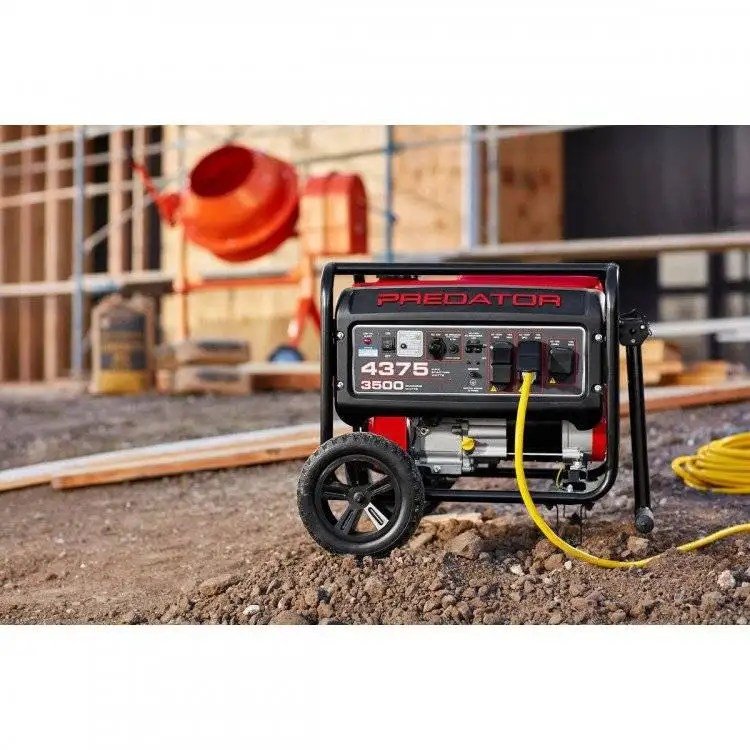
Few things are more frustrating than a generator that refuses to start or deliver power when you need it most. If you own a Predator 4375, you've invested in a robust and reliable portable power solution known for its exceptional value. But even the best equipment needs a little love. Mastering Predator 4375 Generator Maintenance & Troubleshooting isn't just about fixing problems; it's about proactively ensuring your generator is always ready to rumble, whether it's powering essential appliances during an outage or keeping your tools humming on a job site.
This guide will walk you through everything you need to know, from routine tune-ups to diagnosing common hiccups, helping you keep your Predator 4375 running efficiently for years to come.
At a Glance: Key Takeaways for Your Predator 4375
- Routine is King: Follow a consistent maintenance schedule (before each use, after 20 hours, every 50 hours/3 months, every 100 hours/6 months, annually).
- Oil is Vital: Change oil frequently, especially after the initial break-in period, using SAE 10W-30 (or 5W-30 in cold weather).
- Fuel Matters: Always use fresh, unleaded 87+ octane gasoline (max 10% ethanol). Stabilize fuel for storage or run the carburetor dry.
- Spark of Life: Keep your spark plug clean and correctly gapped for easy starting. Replace it annually.
- Breathing Room: A clean air filter is crucial for engine performance and longevity.
- Safety First: Always operate outdoors, at least 20 feet from openings, to prevent carbon monoxide poisoning.
- Troubleshoot Systematically: When problems arise, check the basics first: fuel, oil, spark, choke, circuit breakers.
Why Your Predator 4375 Deserves the Best Care
The Predator 4375 has earned its reputation as a workhorse in the portable generator world. With a 212cc OHV engine delivering 3500 running watts (and 4375 peak watts), it strikes a sweet spot for homeowners, contractors, and RV enthusiasts alike. It’s tough, relatively compact at 99 pounds with integrated wheels, and boasts an impressive 10-hour runtime at 50% load on its 4-gallon fuel tank.
What really sets it apart is its affordability—often priced significantly lower than comparable national brands—without sacrificing durability or power. From powering a refrigerator and sump pump during a home emergency to running crucial tools on a job site or even a 13,500 BTU RV air conditioner, the Predator 4375 is incredibly versatile. Its robust engine design and readily available, affordable parts make it a solid investment, particularly for those comfortable with a bit of DIY maintenance. Understanding the ins and outs of your specific model can significantly extend its lifespan and ensure it's always ready when you need reliable power. To learn more about this powerhouse, you might want to explore the Predator 4375 generator in more detail.
Getting Started Safely: Initial Setup and Operation Essentials
Before you even think about maintenance, ensure your generator is set up and operated correctly. This foundation is critical for both safety and performance.
First-Time Setup Checklist
- Wheels and Handles: Install the wheel kit and fold-down handles for easier mobility. Even at 99 pounds, those never-flat wheels are a lifesaver.
- Add Oil: Your generator ships without oil. Add 0.6 quarts (20 oz) of SAE 10W-30 oil. If you're starting it in extremely cold temperatures (below 32°F / 0°C), 5W-30 is a better choice. Fill to the full mark on the dipstick.
- Fuel Up: Use fresh, clean, unleaded gasoline with an octane rating of 87 or higher. Avoid gasoline with more than 10% ethanol, as it can cause damage over time.
- Air Filter Check: Ensure the air filter is properly seated and clean.
- Grounding: Always ground your generator according to manufacturer instructions and local electrical codes. This is a critical safety step.
Starting Your Predator 4375: A Quick Refresher
- Placement: Always place the generator outdoors in a level, well-ventilated area, at least 20 feet away from any windows, doors, or vents of your home. Carbon monoxide is odorless and deadly.
- Checks: Verify oil and fuel levels are adequate.
- Fuel Valve: Turn the fuel valve to the "ON" position.
- Choke (Cold Starts): If the engine is cold, move the choke lever to the "CLOSED" position. For warm starts, the choke might not be necessary, or only partially.
- Engine Switch: Flip the engine switch to the "ON" position.
- Pull Start: Grip the starter handle firmly and pull rapidly until the engine starts.
- Choke Adjustment: As the engine warms up (usually within a minute or two), gradually move the choke to the "OPEN" position.
- Warm-Up: Let the engine run for a few minutes before connecting any electrical loads.
Non-Negotiable Safety Practices
- Carbon Monoxide: We can't stress this enough: NEVER run your generator indoors, in a garage, shed, or any partially enclosed space. CO fumes can kill quickly.
- Electrical Safety: Avoid operating in wet conditions. Use only outdoor-rated, heavy-duty extension cords that are in good condition. Ensure your cords are rated for the load they'll carry.
- Fire Prevention: Allow the generator to cool completely before refueling. Clean up any spilled fuel immediately. Keep flammable materials far away from the generator.
- Load Management: Do not overload your generator. Its continuous running wattage is 3500W. If you exceed this, the circuit breakers will trip. Connect larger loads first, allowing them to stabilize before adding smaller ones.
- Proper Shutdown: Always remove all electrical loads from the generator before turning off the engine. This prevents potential damage to your appliances and the generator's electrical components.
The Lifeline: Your Predator 4375 Maintenance Schedule
Regular maintenance is the single most important factor in extending the life and reliability of your Predator 4375. Think of it as preventative care; a small investment of time now saves you significant headaches (and money) later.
Here's a breakdown of the recommended maintenance intervals:
Before Each Use
- Check Engine Oil: Ensure it's at the proper level and looks clean. Top off if needed.
- Inspect Air Filter: Make sure it’s clean and free of debris.
- Fuel System: Look for any fuel leaks or signs of damage.
- Controls & Cables: Verify that all switches and cables operate smoothly.
- Cooling Fins: Check for any obstructions that could hinder airflow and cause overheating.
After First 20 Hours (Break-in Period)
- Change Engine Oil: This is crucial. The initial oil change removes metallic particles from the engine's break-in period.
- Check/Adjust Valve Clearance: Important for optimal engine performance and longevity. (This might be a job for a service center if you're not comfortable with it).
- Inspect Spark Plug: Check for wear, fouling, and correct gap.
Every 50 Hours or Every 3 Months (Whichever Comes First)
- Change Engine Oil: Regular oil changes are vital for engine health.
- Clean Air Filter: A dirty filter chokes your engine.
- Check/Clean Spark Plug: Keep it firing efficiently.
- Clean Fuel Sediment Cup: Remove any accumulated debris from your fuel system.
Every 100 Hours or Every 6 Months (Whichever Comes First)
- Change Engine Oil: (Yes, again!)
- Clean/Replace Air Filter: Depending on conditions, replacement might be necessary.
- Replace Spark Plug: Even if it looks okay, a new spark plug can improve starting and efficiency. The recommended spark plug is an F7TC.
- Clean Fuel Tank/Filter: Prevent fuel system clogs.
- Clean Spark Arrestor: This screen in the muffler prevents sparks from escaping and can get clogged with carbon.
- Inspect Hoses & Connections: Look for cracks, leaks, or loose fittings.
Every 300 Hours or Annually (Whichever Comes First)
- Replace Spark Plug: A fresh plug ensures reliable ignition.
- Replace Air Filter: Don't skimp on this.
- Check/Adjust Valve Clearance: Critical for long-term engine performance.
- Clean Combustion Chamber: Helps maintain efficiency.
- Inspect Fuel Lines: Look for any signs of cracking or deterioration.
- Inspect/Clean Carburetor: Ensures proper fuel delivery. This is where your Predator 4375 generator truly shines in its ability to be maintained by a moderately skilled owner.
DIY Deep Dive: Step-by-Step Maintenance Procedures
Ready to get your hands a little dirty? Here are the procedures for the most common maintenance tasks on your Predator 4375.
Changing the Engine Oil
This is arguably the most important regular maintenance item.
- Warm Up (Briefly): Run the generator for 5-10 minutes to warm the oil. Warm oil drains more completely.
- Shut Down: Turn off the engine, disconnect the spark plug cap to prevent accidental starting.
- Position: Place a drain pan under the generator. Tilt the generator slightly if needed to facilitate draining.
- Drain Oil: Remove the oil fill cap/dipstick and the oil drain plug (often a bolt on the underside or side of the engine block). Allow all the oil to drain completely.
- Replace Plug: Once drained, reinstall the oil drain plug, tightening it securely.
- Refill: Carefully add 0.6 quarts (20 oz) of fresh SAE 10W-30 oil (or 5W-30 for cold weather). Use the dipstick to ensure the oil level reaches the "FULL" mark without overfilling.
- Dispose: Properly dispose of the used oil at an auto parts store or local recycling center.
Cleaning/Replacing the Air Filter
A clean air filter ensures your engine gets the clean air it needs to run efficiently.
- Remove Cover: Locate and unclip the air filter cover, usually on the side of the engine.
- Extract Filter: Carefully remove the air filter element.
- Clean Foam Filters: If you have a foam filter, wash it in warm, soapy water. Rinse thoroughly until no soap remains, then squeeze out excess water. Allow it to air dry completely. Lightly apply a thin coat of fresh engine oil to the dry foam filter, then squeeze out any excess oil until it's just damp.
- Clean Paper Filters: If you have a paper element, gently tap it against a hard surface to dislodge loose dirt. Never wash a paper filter. If it's heavily soiled, torn, or damaged, replace it.
- Reinstall: Place the clean/new filter back into its housing and secure the cover.
Checking and Replacing the Spark Plug
A healthy spark plug is essential for reliable starting and efficient combustion.
- Access Plug: Remove the spark plug cap from the end of the spark plug. Use a spark plug wrench (often included with the generator) to carefully unscrew the spark plug.
- Inspect: Examine the tip. A healthy plug will have a light tan or grayish-brown deposit. Black, oily deposits indicate too much oil burning; white, chalky deposits suggest it's running too hot.
- Clean (if needed): If slightly fouled, you can gently clean it with a wire brush or fine sandpaper.
- Check Gap: Use a spark plug gapper tool to check the gap between the electrodes. For the Predator 4375, the recommended gap is 0.7-0.8mm (0.028-0.031″). Adjust if necessary by carefully bending the ground electrode.
- Replace: If the plug is heavily fouled, worn, or the porcelain is cracked, replace it with a new F7TC plug.
- Reinstall: Hand-thread the spark plug back into the cylinder head to avoid cross-threading. Tighten it with the wrench, but don't overtighten, as this can damage the cylinder head. Reconnect the spark plug cap securely.
Long-Term Storage (Over 30 Days)
Proper storage prevents fuel system issues and keeps your generator ready for next season.
- Fuel Stabilizer: Add a quality fuel stabilizer to the fuel tank and run the generator for about 10 minutes to circulate it through the carburetor.
- Run Carburetor Dry: Turn the fuel valve to the "OFF" position and let the engine run until it completely runs out of fuel and stops. This prevents stale fuel from gumming up the carburetor.
- Change Oil: Change the engine oil while it's warm (see "Changing the Engine Oil" above).
- Cylinder Protection: Remove the spark plug and pour about one tablespoon of fresh engine oil into the cylinder. Gently pull the recoil starter a few times (without letting the engine start) to distribute the oil, then reinstall the spark plug. This lubricates the cylinder wall and prevents rust.
- Clean: Clean the exterior of the generator thoroughly.
- Cover: Use a breathable cover to protect it from dust and moisture.
- Store: Store it in a clean, dry location, away from direct sunlight and extreme temperatures.
When Things Go Wrong: Troubleshooting Common Predator 4375 Issues
Even with diligent maintenance, issues can arise. Here’s how to diagnose and address the most common problems you might encounter with your Predator 4375. Remember to always prioritize safety when troubleshooting!
The Silent Treatment: Generator Won't Start
This is perhaps the most common and frustrating problem. Go through this checklist systematically:
- No Fuel / Stale Fuel:
- Check: Is there enough fresh fuel in the tank?
- Fix: Fill with fresh, unleaded 87+ octane gasoline. If the fuel is older than 30 days, drain it and refill. Stale fuel is a common culprit.
- Low Oil Shutdown:
- Check: Is the oil level at the "FULL" mark? The Predator 4375 has a low oil shutdown safety feature.
- Fix: Add SAE 10W-30 oil until the level is correct.
- Incorrect Choke Position:
- Check: Is the choke in the "CLOSED" position for a cold start? Gradually move to "OPEN" as it warms.
- Fix: Adjust the choke lever appropriately.
- Engine Switch Off:
- Check: Is the engine switch set to "ON"?
- Fix: Flip the switch. (It happens to the best of us!)
- Bad Spark Plug:
- Check: Remove the spark plug. Is it wet, fouled, or damaged?
- Fix: Clean, gap, or replace the spark plug (F7TC).
- Clogged Fuel Line/Filter:
- Check: Is fuel flowing freely from the tank to the carburetor?
- Fix: Inspect and clean or replace the fuel filter. Check for kinks in the fuel line.
- Clogged Air Filter:
- Check: Is the air filter heavily soiled?
- Fix: Clean or replace the air filter.
- Carburetor Issues:
- Check: If all else fails, the carburetor might be gummed up, especially if fuel was left untreated for a long time.
- Fix: Clean the carburetor bowl, main jet, and pilot jet. This can be complex; if unsure, consider a professional or a new carburetor.
Stubborn Starts: Hard Starting Issues
If it eventually starts but struggles, consider these:
- Weak Spark: Could be a failing ignition coil, or simply a dirty/worn spark plug.
- Partial Fuel Restriction: Similar to "won't start," but less severe. Could be a partially clogged fuel filter or jet.
- Incorrect Valve Clearance: Over time, valve clearance can shift, affecting compression and starting. This often requires professional adjustment.
- Recoil Starter Mechanism: Wear in the recoil starter can make pulling difficult or ineffective.
No Juice: Power Output Problems
The engine is running, but you're not getting electricity.
- Tripped Circuit Breaker:
- Check: Have you overloaded the generator? Check the circuit breakers on the control panel.
- Fix: Reduce the load, then reset the circuit breaker(s).
- Faulty Outlet:
- Check: Try different outlets. If one works but another doesn't, the problem might be localized to that outlet.
- Fix: Replace the faulty outlet or inspect internal wiring.
- Internal Wiring/Connections:
- Check: Loose or damaged wires inside the control panel or leading to the alternator.
- Fix: This often requires opening the control panel, so only attempt if you are electrically competent.
- AVR (Automatic Voltage Regulator) Failure:
- Check: The AVR regulates the output voltage. If it fails, you'll get no power or very unstable power.
- Fix: The AVR is usually a replaceable component.
Underpowered: Low Voltage Output
Your appliances aren't running properly, or lights are dim.
- Engine Speed Too Low:
- Check: Under load, your generator engine should maintain approximately 3600 RPM. If it's running too slow, voltage will drop.
- Fix: This could indicate a governor issue or an engine under stress.
- Generator Overload:
- Check: Are you trying to run too many appliances?
- Fix: Disconnect some loads.
- Worn Brushes (Less Common on Predator 4375): Some generator alternators use brushes that can wear out.
- Capacitor Issues: Some generators use a capacitor to help regulate voltage. A failing capacitor can lead to low output.
The Jitters: Engine Surges or Hunts
The engine RPMs fluctuate up and down irregularly.
- Stale or Low-Quality Fuel:
- Check: Poor fuel can cause inconsistent combustion.
- Fix: Drain and refill with fresh, high-quality fuel.
- Partially Clogged Fuel System:
- Check: A partially blocked fuel filter or carburetor jet can starve the engine of consistent fuel.
- Fix: Clean the fuel filter and carburetor.
- Air Leaks:
- Check: Air leaks around the carburetor or intake manifold can lean out the fuel mixture.
- Fix: Inspect gaskets and tighten connections.
- Governor Problems:
- Check: The governor maintains engine speed under varying loads. If it's malfunctioning, the engine will surge.
- Fix: This may require professional adjustment or replacement.
Here Today, Gone Tomorrow: Engine Runs, Then Dies
It starts fine but won't stay running.
- Clogged Fuel Cap Vent:
- Check: If the fuel cap's vent is blocked, a vacuum can form in the tank, stopping fuel flow.
- Fix: Loosen or remove the fuel cap briefly. If the engine stays running, the vent is the problem. Clean or replace the cap.
- Overheating:
- Check: Is the generator overloaded? Are the cooling fins clear of debris?
- Fix: Reduce load, clean cooling fins.
- Low Oil Shutdown:
- Check: Even if it started with enough oil, a leak or consumption could drop the level.
- Fix: Check and top up oil.
- Ignition Problems: A failing ignition coil can cause intermittent spark, leading to the engine dying.
Rattle & Hum: Mechanical Issues
Unusual noises or excessive vibration.
- Loose Mounting Hardware:
- Check: Engine mounts, frame bolts, or housing panels.
- Fix: Tighten all accessible bolts.
- Engine Mounts:
- Check: Worn or damaged rubber engine mounts can cause excessive vibration.
- Fix: Replace mounts if visibly damaged.
- Internal Engine Problems:
- Check: If noises are internal (knocking, grinding), it could indicate serious engine wear.
- Fix: Professional diagnosis required.
- Dirty Cooling Fins:
- Check: Buildup on cooling fins can cause the engine to run hotter and vibrate more due to uneven cooling.
- Fix: Clean them.
Stocking Up: Essential Parts & Tools for Your Predator 4375
Being prepared with the right supplies makes maintenance and quick fixes much easier.
Essential Maintenance Supplies
- Engine Oil: Always keep a fresh bottle of SAE 10W-30 (or 5W-30) on hand.
- Air Filter: A spare foam or paper air filter.
- Spark Plug: Have a spare F7TC spark plug.
- Fuel Filter: Inexpensive and easy to replace if you suspect a clog.
- Fuel Stabilizer: Essential for any fuel left in the tank for more than a few weeks.
- Oil Drain Pan & Funnel: Makes oil changes much cleaner.
- Spark Plug Wrench & Gapper: Necessary for spark plug maintenance.
- Wire Brush/Shop Rags: For cleaning.
Common Replacement Parts (Good to Know)
While not "maintenance," knowing these common replacement parts exist provides peace of mind:
- Recoil Starter Assembly: If your pull cord breaks or the mechanism fails.
- Carburetor Assembly: Sometimes it's easier and quicker to replace a heavily gummed-up carburetor than to meticulously clean it.
- Fuel Tank Components: Fuel cap, fuel valve, and fuel lines can wear out.
- Control Panel Components: Individual outlets, switches, or circuit breakers can be replaced if they fail.
Having a spare part for your Predator 4375 generator can save valuable time during an emergency.
Is the Predator 4375 Right For You? A Quick User Profile & Comparison
Understanding who this generator is built for reinforces why its specific maintenance needs are important.
Ideal User:
- Homeowners seeking an affordable, reliable emergency backup for essential appliances (refrigerator, freezer, sump pump, lights, TV).
- Contractors/DIY Enthusiasts who need power for medium-duty tools (circular saw, small air compressor, drills). The 30-amp twist-lock outlet is a plus.
- RV & Camping Owners looking to power a 13,500 BTU RV AC unit, cooking appliances, and general camp comfort.
- Budget-Conscious Buyers who prioritize value and performance over absolute quiet or advanced features.
- Individuals with moderate mechanical skills who are comfortable performing basic DIY maintenance.
Less Suitable For: - Users of sensitive electronics (laptops, high-end audio equipment) without an external AVR or line conditioner, as the power quality isn't "clean" like an inverter generator.
- Those prioritizing ultra-quiet operation. At 72 dB, it's louder than inverter generators.
- Applications needing more than 3500W continuous power.
- Individuals with limited physical strength due to its 99-pound weight and manual-only recoil start.
- Whole-house backup, which typically requires significantly larger, permanently installed generators.
Compared to smaller generators (e.g., 3000W), the 4375 offers significantly more power for motor-driven appliances without a huge increase in size or weight. Against larger units (5000W+), it's more portable and fuel-efficient for typical residential needs. Its main trade-off against inverter generators is noise, fuel efficiency, and "cleaner" power, but it wins hands down on initial cost and simpler mechanics. For many, this makes the Predator 4375 generator an exceptional choice.
Keeping Your Power On: Final Thoughts & Pro Tips
Your Predator 4375 generator is a valuable tool, designed to provide reliable power when you need it most. By embracing a proactive approach to maintenance and understanding common troubleshooting steps, you're not just taking care of a machine; you're investing in peace of mind.
Here are a few final pro tips to keep in mind:
- Read Your Manual: Seriously. While this guide covers common points, your specific manual has detailed diagrams and safety warnings unique to your unit.
- Exercise Regularly: Even if you don't need your generator, run it for 15-30 minutes under a light load every month or two. This circulates fluids, keeps seals lubricated, and burns off any stale fuel in the carburetor bowl.
- Good Fuel Habits: Always buy fresh gasoline. Store it in approved containers, and only buy what you'll use within a month or two. Use fuel stabilizer religiously if storing longer.
- Keep it Clean: A clean generator not only looks better but also allows for better cooling and easier identification of leaks or issues.
With a little attention and consistent care, your Predator 4375 will be a reliable source of power for years, ready to jump into action whenever you need it.