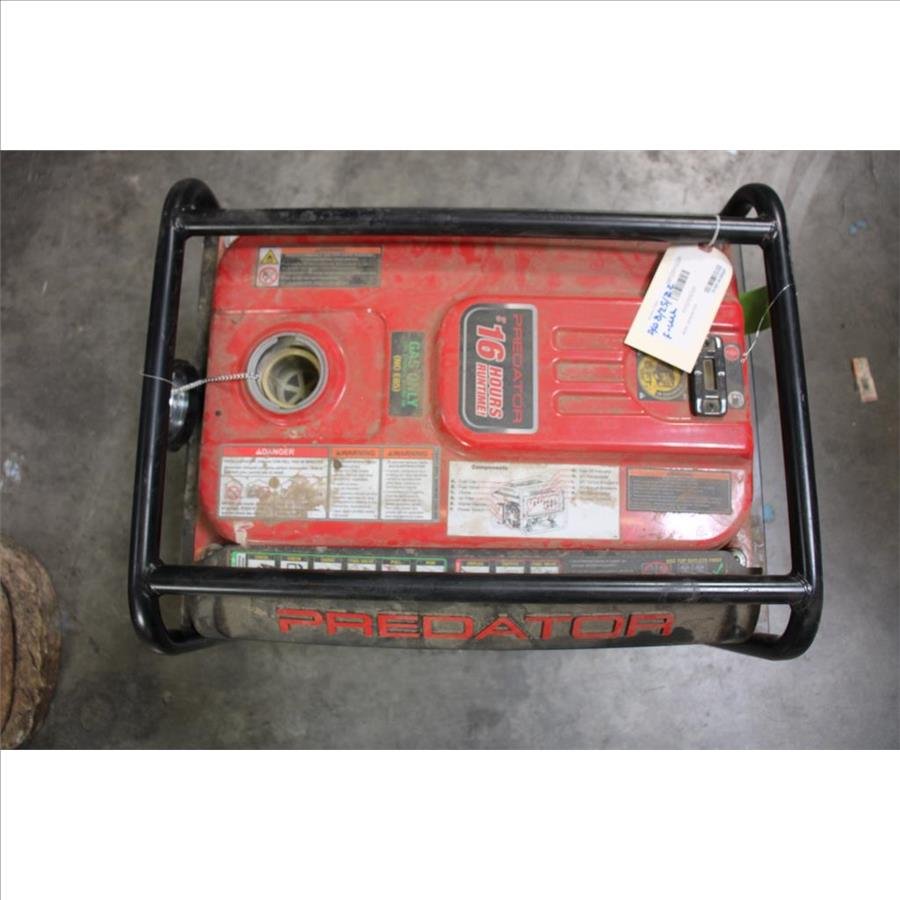
When the lights go out, or you need portable power for your next adventure or job site, your Predator 4375 generator is a steadfast workhorse. But even the most reliable generators can be elevated. You might be surprised at how a few thoughtful Predator 4375 Generator Accessories & Upgrades can significantly boost its performance, extend its lifespan, and make your power generation experience smoother and safer.
Think of it this way: your generator is the engine, but accessories are the tools that unlock its full potential, transforming it from a simple power source into a truly indispensable utility. From quiet operation to effortless mobility and enhanced safety, there's a world of possibilities waiting.
At a Glance: Maximizing Your Predator 4375
- Longevity: Regular maintenance accessories (filters, oil, spark plugs) are non-negotiable for extending generator life.
- Performance: Upgrades like quiet mufflers or voltage regulators can make a noticeable difference in operation quality.
- Convenience: Wheel kits, hour meters, and remote start kits transform usability, especially during outages.
- Safety First: Essential additions like transfer switches and external CO detectors protect your home and family.
- Compatibility: Always verify that accessories and parts are specifically designed or compatible with your Predator 4375 model.
- Source Your Parts: Harbor Freight Tools, the parent company of the Predator brand, is your primary source for genuine parts and recommended accessories.
Why Bother with Accessories and Upgrades? Beyond the Basics
You've invested in a Predator 4375 – a reliable generator known for its power output and value. But relying solely on its factory-default setup means you might be missing out on crucial benefits. Upgrades aren't just about bells and whistles; they're about optimizing your generator for your specific needs, whether that's emergency backup, tailgating, or powering tools on a construction site.
Harbor Freight Tools, which owns the Predator brand, designs these generators with an eye toward practical utility, even if they're assembled in China. However, the aftermarket and even OEM add-ons are where you can truly customize the experience. The right accessories can mean the difference between a noisy, hard-to-move generator that struggles with sensitive electronics, and one that runs smoothly, quietly, and offers maximum peace of mind.
Let's dive into the categories that matter most.
Essential Maintenance Accessories: Keeping Your 4375 Humming
Regular maintenance is the cornerstone of generator longevity and reliability. Without these basic accessories, your Predator 4375 won't perform optimally, and its lifespan will surely be cut short. Think of these as preventive medicine for your machine.
Air Filters: The Generator's Lungs
Your generator's engine needs clean air to run efficiently. A clogged air filter chokes the engine, reducing power, increasing fuel consumption, and potentially causing premature wear.
- What to look for: Always have spare air filters on hand. Check your generator's manual for the exact part number or dimensions. Predator 4375 generators typically use foam or paper filters, sometimes in combination.
- When to replace: Check monthly or every 25 hours of operation, and replace if dirty, torn, or clogged. In dusty environments, replacement should be more frequent.
Spark Plugs: Igniting Performance
The spark plug is responsible for igniting the fuel-air mixture in the engine's combustion chamber. A fouled or worn spark plug can lead to misfires, hard starting, and reduced fuel efficiency.
- What to look for: Ensure you get the correct heat range and gap for your Predator 4375. Consult your owner's manual for the precise spark plug specification.
- When to replace: Generally, replace spark plugs annually or every 100 hours of operation, whichever comes first. Inspect them for carbon buildup or excessive wear during routine checks.
Oil Filters & Quality Oil: The Lifeblood of Your Engine
Engine oil lubricates moving parts, reduces friction, and helps cool the engine. An oil filter ensures that this oil remains free of contaminants.
- What to look for: Use only high-quality generator oil, typically SAE 30 for warmer temperatures or 10W-30 for varied climates. Always verify the correct oil type and capacity in your manual. When buying an oil filter, ensure it's a direct fit for the Predator 4375.
- When to replace: Change the oil after the first 20-30 hours of operation (break-in period), then every 50-100 hours or annually. Change the oil filter with every oil change.
- Consider an Oil Extractor: These simple pumps make draining old oil much cleaner and easier, minimizing mess.
Fuel Filters & Stabilizers: Keeping the Fuel System Clean
Contaminated fuel is a common culprit for generator issues. Fuel filters prevent debris and water from reaching the carburetor, while fuel stabilizers prevent fuel breakdown during storage.
- What to look for: Stock up on specific fuel filters for your 4375. For fuel stabilizer, choose a reputable brand that protects against ethanol corrosion if you use gasoline with ethanol.
- When to replace/use: Replace fuel filters annually or if you notice fuel flow issues. Use fuel stabilizer every time you store your generator with fuel in the tank for more than 30 days. Running the generator dry before long-term storage is also a good practice, but stabilizer protects against fuel line corrosion.
Maintenance Kits: Your One-Stop Solution
Many manufacturers, including those selling Predator-compatible parts, offer pre-packaged maintenance kits. These typically include an air filter, spark plug, and oil filter – sometimes even a bottle of oil.
- Benefit: These kits simplify purchasing and ensure you have all the necessary components for your annual service. They're an excellent way to keep your maintenance schedule on track without worrying about individual part numbers.
- Finding them: Look for kits specifically labeled for the Predator 4375 or a range of similar Predator models.
Having these basics covered ensures your generator is always ready to perform when you need it most. For a deeper dive into everything your generator can do, be sure to check out All about Predator 4375 generator.
Performance & Efficiency Upgrades: Getting More Out of Your Generator
Beyond basic maintenance, certain upgrades can significantly enhance your Predator 4375's operational performance, efficiency, and comfort. These aren't just about fixing problems but about making a good generator even better.
Quiet Mufflers: Taming the Roar
One of the most common complaints about open-frame generators like the Predator 4375 is noise. While not as loud as some, its operational sound can still be intrusive, especially in residential areas or during camping trips.
- What they do: Aftermarket quiet mufflers are designed with more baffling and larger chambers to dampen engine exhaust noise.
- Benefit: Significantly reduces the sound footprint, making your generator more neighbor-friendly and less disruptive for your own use. This is a game-changer for extended run times.
- Considerations: Ensure the muffler is a direct bolt-on replacement or comes with an adapter kit specific to your generator's exhaust pipe.
Carburetor Kits/Upgrades: Optimizing Fuel Delivery
The carburetor is the heart of the fuel system, mixing air and fuel in the correct proportions. Over time, especially with ethanol-blended fuels, carburetors can get clogged or corroded.
- What to look for: Carburetor rebuild kits include gaskets, O-rings, and sometimes jets to restore an ailing carb. For a full replacement, ensure it's a direct match for the 4375 engine.
- Benefit: Improves fuel efficiency, fixes rough idling, hard starting, and surging issues. Some aftermarket carbs might offer slight performance tweaks, though consistency and reliability are usually the primary goals.
- Tip: Always drain the carburetor bowl if storing the generator for more than a month to prevent fuel varnish buildup.
Voltage Regulators: Stable Power for Sensitive Electronics
Generators can sometimes produce power with slight fluctuations, which isn't ideal for sensitive electronics like laptops, medical equipment, or modern TVs.
- What they do: A voltage regulator maintains a consistent output voltage, smoothing out any power surges or dips from the alternator.
- Benefit: Protects your valuable electronics from damage due to unstable power. While the Predator 4375 offers reasonably stable power, an external or upgraded internal voltage regulator can provide an extra layer of protection, especially for high-demand devices.
- Note: If your generator consistently shows large voltage swings, it might indicate a failing internal component that needs professional attention.
Fuel Pumps & Lines: Ensuring Consistent Flow
For models that utilize a fuel pump (some gravity-fed models might not), ensuring its optimal function is critical for consistent fuel delivery. Damaged fuel lines can lead to leaks and fuel starvation.
- What to look for: Replace fuel pumps with OEM or high-quality aftermarket equivalents. Inspect fuel lines regularly for cracks, kinks, or leaks.
- Benefit: Prevents fuel starvation issues, especially under load or with low fuel levels, ensuring the engine receives a steady supply.
Heavy-Duty Air Filters: Enhanced Filtration and Airflow
While a standard air filter is essential, some aftermarket options offer superior filtration or improved airflow.
- What to look for: Look for filters with a higher quality media or a multi-stage design that traps more particles without overly restricting airflow.
- Benefit: Better protection against dust and debris, prolonging engine life, especially if operating in harsh environments. Some designs might also offer marginal improvements in engine breathing.
Convenience & Usability Enhancements: Making Life Easier
Using a generator, especially during an emergency, can be stressful enough. These accessories focus on simplifying operation, improving portability, and making your overall experience less cumbersome.
Wheel Kits & Lift Kits: Easy Mobility
The Predator 4375, while not the largest generator, is still a hefty piece of equipment. Moving it around can be a back-breaking task without the right wheels.
- What they do: Wheel kits usually include sturdy wheels, an axle, and sometimes handles or a lifting frame. Lift kits are specialized frames that aid in lifting and maneuvering.
- Benefit: Transforms your stationary generator into a highly portable unit, allowing you to easily move it to different locations, load it onto a vehicle, or store it away. Look for kits with large, robust wheels that can handle uneven terrain.
- Installation: Most wheel kits are designed for straightforward bolt-on installation.
Hour Meters: Precise Maintenance Tracking
Guessing when to perform maintenance is a recipe for disaster. An hour meter takes the guesswork out of it.
- What they do: These small, inexpensive devices track the exact number of hours your generator has been running.
- Benefit: Enables accurate adherence to maintenance schedules (oil changes, spark plug replacement, filter checks), ensuring your generator receives timely service and extends its life. Many are inductive, simply wrapping around the spark plug wire, making installation incredibly easy.
Remote Control Kits: Power at Your Fingertips
Imagine starting your generator from the comfort of your home without stepping outside in the rain or cold. That's the power of a remote control kit.
- What they do: These kits typically include a remote starter module that connects to your generator's ignition and a handheld remote.
- Benefit: Unparalleled convenience, especially during power outages when you might not want to go out to start the generator manually. Ideal for those with mobility issues or when the generator is placed in an inconvenient location.
- Compatibility: Ensure the kit is designed for your generator's specific starting system (electric start is required).
Fuel Tanks & Gas Cans: Extended Run Time and Safe Storage
The 4375 has a decent fuel tank, but for extended outages or job site use, you'll need more fuel.
- What to look for: High-quality, safety-approved gas cans are essential for storing spare fuel. For even longer run times, consider an auxiliary fuel tank kit that can feed directly into your generator.
- Benefit: Extends operating time without constant refueling, which is crucial during long power outages. Safe fuel storage also reduces fire hazards.
- Safety Tip: Always store gasoline in approved containers, away from ignition sources, and in a well-ventilated area.
Generator Covers: Protection from the Elements
Your generator often sits outside, exposed to sun, rain, dust, and debris. A good cover is cheap insurance.
- What to look for: Durable, weather-resistant covers made from heavy-duty polyester or vinyl, preferably with UV protection and a snug fit. Some covers are designed to be used while the generator is running (with proper ventilation).
- Benefit: Protects your investment from rust, corrosion, fading, and general wear and tear caused by exposure to the elements.
Power Cords & Receptacles: Safe and Efficient Power Distribution
You've got the power; now you need to get it where it needs to go safely.
- What to look for: Heavy-duty, outdoor-rated extension cords with appropriate gauge wiring for the load (e.g., 10-gauge for higher wattage, shorter runs). Look for cords with multiple outlets or adapters.
- Benefit: Safely distributes power from your generator to your appliances, tools, or home. Using the correct gauge prevents overheating and ensures maximum power delivery.
- Receptacles: If you're building a custom power solution or replacing a damaged outlet on your generator, ensure the replacement matches the NEMA configuration and amperage of your existing panel or generator output.
Handles: Easier Lifting and Maneuvering
Sometimes the simplest additions make the biggest difference. If your wheel kit doesn't include robust handles, or you simply need better grip, accessory handles can be a godsend.
- What to look for: Sturdy, ergonomic handles that can be securely bolted or clamped to your generator's frame.
- Benefit: Improves grip and leverage for lifting, loading, or repositioning the generator, reducing strain and improving safety.
Safety & Protection Accessories: Peace of Mind is Priceless
No accessory is more important than those that ensure the safety of you, your family, and your home. Generators produce dangerous byproducts and carry electrical risks if not used correctly.
Transfer Switches: Connecting Safely to Home Power
This is perhaps the single most critical accessory for anyone planning to back up their home with a generator.
- What they do: A transfer switch isolates your home's electrical system from the utility grid before connecting to the generator. This prevents "backfeeding," where power flows back into the grid, endangering utility workers.
- Types:
- Manual Transfer Switches (MTS): Require you to physically flip switches to disconnect from the grid and connect to the generator. More common and affordable for smaller generators like the 4375.
- Automatic Transfer Switches (ATS): Automatically detect power outages, start the generator, and switch power sources. Typically used with larger, permanently installed standby generators.
- Benefit: Absolutely essential for safely powering circuits in your home. Mandatory by electrical codes if you're connecting your generator directly to your home's wiring.
- Professional Installation: Always have a qualified electrician install a transfer switch.
CO Detectors (External): The Silent Killer
Generators produce carbon monoxide (CO), an odorless, colorless, and deadly gas. This is a non-negotiable safety item.
- What they do: Specialized CO detectors are designed for outdoor/garage use and alarm when dangerous levels of CO are present.
- Benefit: Provides an early warning system against CO poisoning, which can be fatal. While your generator should never run indoors, CO can seep into homes through windows, doors, or vents. Place detectors outside near the generator and inside the home.
- Placement: Crucial to place near where people are, not just next to the generator.
Circuit Breakers: Protecting Your Generator and Appliances
While your Predator 4375 comes with built-in circuit breakers, having spares or understanding how to manage them is important.
- What they do: Circuit breakers protect the generator from overload by tripping and cutting power if too much current is drawn. They also protect connected appliances.
- Benefit: Prevents damage to the generator's alternator and wiring, and safeguards your electronics from power surges caused by overdrawing current.
- Spares: Knowing where to source replacement breakers is useful if one fails.
Anti-Vibration Mounts: Reducing Wear and Noise
Generators vibrate, and this vibration can cause wear and tear on components over time, as well as contribute to noise.
- What they do: Rubber or spring-loaded mounts are installed under the generator to absorb engine vibrations.
- Benefit: Reduces noise, lessens stress on the generator's frame and internal components, and prolongs the life of the unit by minimizing vibration-induced damage.
Grounding Kits: Essential Electrical Safety
Proper grounding is critical for electrical safety, especially if you're using your generator in wet conditions or connecting it to a grounding rod.
- What they look for: A grounding kit typically includes a grounding rod (copper or galvanized steel), a clamp, and heavy-gauge copper wire.
- Benefit: Provides a safe path for electrical current in the event of a fault, preventing electrical shock. Consult your generator manual and local electrical codes for grounding requirements.
Powering Up Your Setup: Electrical Connectivity
Once your generator is safe and running, you need reliable ways to distribute its power.
Heavy-Duty Extension Cords: The Right Gauge Matters
Using inadequate extension cords is a major fire hazard and can damage your appliances.
- What to look for: Always match the cord's gauge to the amperage of the devices you're powering and the length of the run. Lower gauge numbers (e.g., 10-gauge) mean thicker, safer wire for higher loads and longer distances. Outdoor-rated (SJOW or SOOW) cords are a must.
- Benefit: Safely and efficiently delivers power without overheating, voltage drop, or fire risk.
Generator Interlock Kits (for Transfer Switch alternative): Budget-Friendly Safety
If a full transfer switch isn't in the budget, an interlock kit is a safer alternative to using extension cords for powering essential home circuits (though still requires professional installation).
- What they do: An interlock kit is a mechanical device installed in your home's main electrical panel. It physically prevents the main utility breaker and the generator input breaker from being on at the same time, thereby preventing backfeeding.
- Benefit: A more affordable and safer way to power specific circuits in your home directly from the generator, without the risks of "suicide cords" (generator to outlet adapters, which are extremely dangerous and illegal).
- Professional Installation: Like transfer switches, interlock kits must be installed by a qualified electrician.
Surge Protectors: Appliance Safety Beyond the Generator
While a voltage regulator helps, a quality surge protector provides granular protection for individual devices.
- What they do: These devices absorb sudden spikes in electrical voltage, protecting connected electronics from damage.
- Benefit: An extra layer of defense for your sensitive electronics, especially important during start-up or shutdown surges from the generator.
Common Questions & Misconceptions About Predator 4375 Accessories
Let's clear up some common points of confusion to help you make informed decisions.
Q: Are Predator parts interchangeable with other generator brands?
A: Generally, no. While some generic parts like spark plugs or certain fuel filters might have cross-compatibility, it's safest to assume Predator parts are specific to Predator generators. Harbor Freight Tools' R&D designs them for their own brand. Always verify part numbers or specific dimensions before purchasing.
Q: Do upgrades void my warranty?
A: This is a critical question. Most manufacturers' warranties cover defects in materials and workmanship. Modifying the generator with non-OEM parts or making significant alterations could potentially void parts of your warranty, especially if the modification directly causes a failure. Always check your Predator 4375 warranty terms or contact Harbor Freight Tools directly before making significant changes. Routine maintenance with compatible parts usually won't void it.
Q: Where can I find Predator 4375 specific parts?
A: Your primary source should be Harbor Freight Tools stores or their official website. They are the brand owner and will carry genuine Predator parts. Additionally, reputable online retailers and specialty generator parts stores (like GeneratorStop, which lists many Predator parts) may carry compatible aftermarket or OEM parts.
Q: Is it always better to buy OEM (Original Equipment Manufacturer) parts?
A: Not necessarily always, but it's often the safest bet, especially for critical engine components. OEM parts guarantee fit, function, and quality as intended by the manufacturer. High-quality aftermarket parts can sometimes offer performance improvements (e.g., quiet mufflers) or be more affordable, but research their reputation thoroughly.
Q: Can I install all these accessories myself, or do I need a professional?
A: Many accessories, like wheel kits, hour meters, covers, and simple filter changes, are DIY-friendly for anyone with basic mechanical skills. However, any electrical work involving your home's wiring (e.g., transfer switches, interlock kits) must be performed by a qualified, licensed electrician to ensure safety and compliance with electrical codes. When in doubt, call a pro.
Choosing the Right Accessories & Upgrades: A Decision Framework
With so many options, how do you decide what's right for your Predator 4375? Here's a framework to guide your choices:
- Assess Your Primary Needs:
- Emergency Backup: Prioritize safety (transfer switch, CO detector) and extended run time (extra fuel, maintenance kit).
- Camping/Tailgating: Focus on quiet operation (muffler), portability (wheel kit), and convenience (remote start).
- Job Site: Emphasize durability (heavy-duty air filter, robust cords), and consistent power (voltage regulator, clean fuel).
- Budget Considerations:
- Start with essentials: Maintenance items are non-negotiable.
- Prioritize safety: Transfer switch and CO detectors should be next.
- Then, move to comfort and convenience based on your budget.
- Quality vs. Cost:
- For critical engine parts and electrical safety components, always lean towards quality, even if it costs a bit more.
- For less critical items like covers, a well-reviewed aftermarket option might be perfectly fine.
- Compatibility:
- Always, always double-check that the accessory or part is compatible with your specific Predator 4375 model. Look for model numbers, dimensions, or specific fitment guides.
- Installation Difficulty:
- Be realistic about your mechanical and electrical skills. If a task seems beyond your capability, factor in the cost of professional installation. Never compromise safety for DIY savings.
Your Next Steps for a Better Predator 4375
You've got a fantastic base with the Predator 4375 generator. Now, it's time to make it truly your own, tailoring it to your specific demands for power, convenience, and safety.
Start by reviewing your generator's current state. When was its last oil change? Is the air filter clean? Do you have a CO detector? Addressing these basic maintenance and safety points is the absolute first step.
Next, consider your most pressing needs. Is the noise bothering you? Do you struggle to move it? Are you worried about connecting it to your home? These questions will guide you toward the most impactful upgrades.
Remember, investing in the right Predator 4375 generator accessories and upgrades isn't just about spending money; it's about investing in reliability, peace of mind, and the confidence that your power solution will always be ready when you need it most. Happy generating!